


Cyber security is the practice of protecting computer systems, networks, and digital information from cyber threats and unauthorized access. In today’s digital world, people rely heavily on technology for communication, banking, education, business operations, and social interaction. As the internet becomes more integrated into everyday life, the need for strong cyber security has become increasingly important. Without proper security measures, sensitive information and digital systems can become vulnerable to cyber attacks and malicious activities.
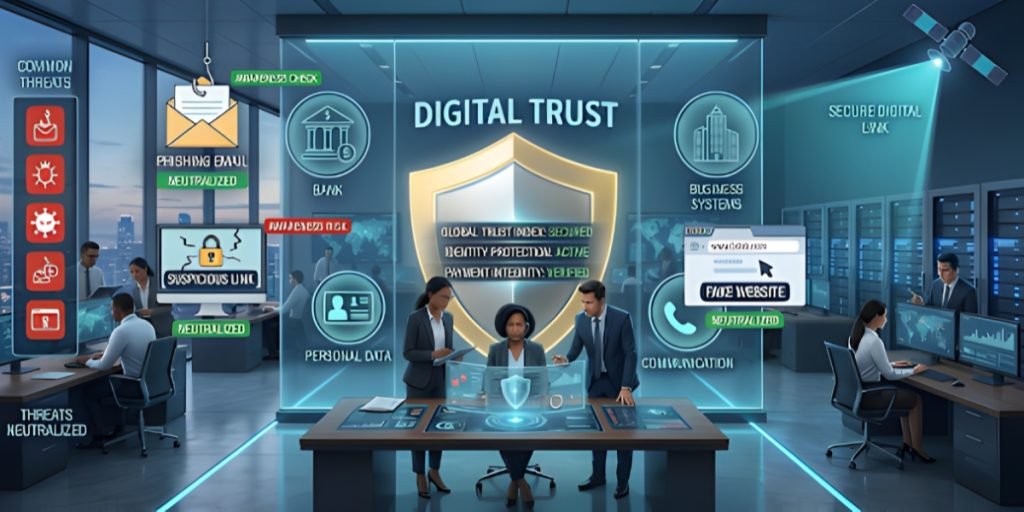
One of the primary goals of cyber security is to protect sensitive data such as personal information, financial records, and confidential business data. Cybercriminals often attempt to steal or manipulate this information through hacking, phishing attacks, malware, or other cyber threats. By implementing strong security systems like encryption, firewalls, and multi-factor authentication, organizations and individuals can reduce the risk of data breaches and protect valuable information.
Cyber security also plays a crucial role in maintaining trust in digital services. People use online platforms for banking, shopping, and communication, expecting their data to remain safe and secure. When companies invest in strong security systems, it builds confidence among users and ensures that digital services remain reliable. This trust is essential for the growth of online businesses and digital platforms.
The strongest defense in the digital world is awareness, knowledge, and responsible technology use.
Another important aspect of cyber security is protecting organizations from financial and operational damage. A successful cyber attack can disrupt business operations, damage reputation, and lead to significant financial losses. Companies must continuously monitor their systems, update software, and implement security policies to prevent cyber threats from affecting their operations.
Cyber security professionals play a vital role in defending digital systems against cybercrime. These experts use advanced tools and techniques to detect vulnerabilities, analyze threats, and secure networks from potential attacks. Ethical hackers, also known as security researchers, help organizations identify weaknesses in their systems before cybercriminals can exploit them.
Awareness and education are also key components of cyber security. Many cyber attacks succeed because users are unaware of basic security practices. Teaching individuals how to recognize phishing emails, avoid suspicious links, and use strong passwords can significantly reduce the risk of cyber threats. Cyber awareness programs and seminars help people understand how to protect themselves in the digital environment.
With the rapid growth of technology, cyber threats continue to evolve and become more sophisticated. As a result, cyber security must constantly adapt to new challenges. Governments, organizations, and individuals must work together to strengthen digital defenses and promote responsible internet usage.
In conclusion, cyber security is essential for protecting digital systems, safeguarding personal information, and maintaining trust in the online world. By combining advanced technology, security expertise, and public awareness, we can create a safer digital environment where people can confidently interact, communicate, and conduct business online.