

To become an ethical hacker, one must move beyond the knowledge of a limited set of tools or techniques, but rather develop a holistic mindset, create a strong skill set and gain a comprehensive understanding of the operational dynamics of computing systems. While commencing one’s journey in the domain of cybersecurity, it may not be clear what specific set of skills an individual must possess in order to become an effective ethical hacker. Instead, one discovers what these are through the process of exploration, experimentation and experience. Currently, I, Dhruvesh Panchal, plan to specify the set of skills which I believe are critical in helping an individual become a successful ethical hacker.
The first and most important competency to understand and master is curiosity. Before one even begins to delve into technical matters, one has to first cultivate a mindset that embodies inquiry and questions. Ethical hacking begins with questions of how and why. How does a certain system operate? Why does a certain vulnerability exist? Without a sense of curiosity, one can never hope to reach a certain depth in terms of mastering and comprehending matters related to cyber security. For me, curiosity has been the main driving force behind learning and discovering areas often ignored by others.
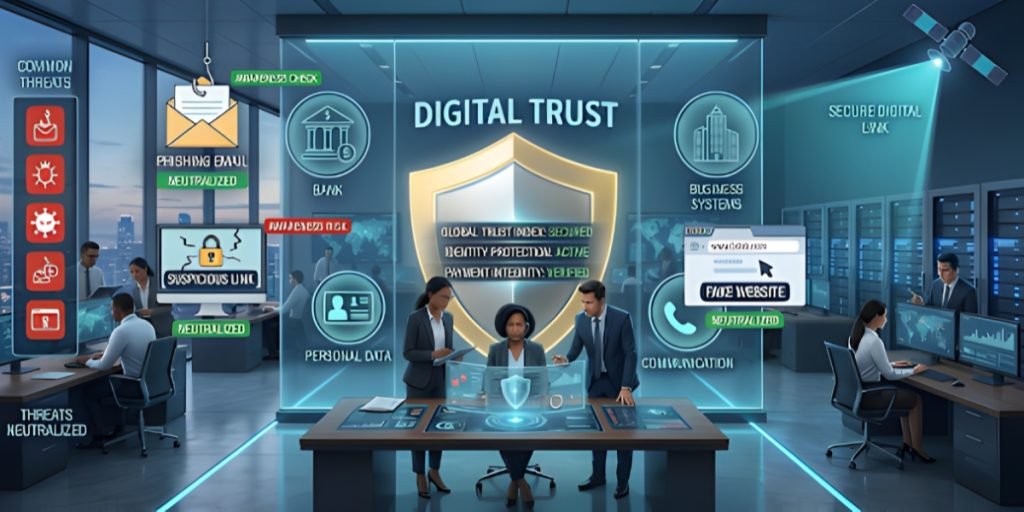
The second important skill is a strong understanding of computer networks. It is important to note that cybersecurity is, in itself, closely related to the nature of communication within computer systems. It is important to have a basic understanding of concepts such as IP addresses, DNS, HTTP/HTTPS and firewalls. While computer networks may appear to be a complex concept, the underlying concepts make subsequent concepts of cybersecurity easy to comprehend. The concept of computer networks was a turning point for me.
Another important skill to learn is basic programming skills. You do not necessarily need to be a programmer, but having a basic idea of programming languages like Python, JavaScript or even scripting can make a huge difference. Programming helps automate, understand vulnerabilities, and even create your own tools. When I first started learning programming, it helped me think logically and solve problems in a more structured manner.
In addition to programming, the operating system is also very important. As an ethical hacker, you will be working with different operating systems, especially Linux-based ones. Understanding the concept and the way an operating system works, as well as the way the system handles files, is very advantageous. I spent a lot of time working with different operating systems and this helped me feel comfortable while working with them.
In order to expand my impact and reach a wider audience, I founded Selkey Cyber Security Pvt Ltd.
Ethical hacking skills include web application security. The majority of the modern digital world is based on web applications and as such, they are often the primary target for cyber attacks. You need to have an idea of the construction of websites, the security mechanisms behind the login process and the potential security issues, such as SQL injection and cross-site scripting. In my case, the knowledge of web security helped me grasp the practical scenarios and the ways to avoid them.
Another skill to learn is problem-solving. Ethical hacking is not about using the correct procedure; it is about being creative. Every system is unique and each vulnerability is unique. You need to analyze the situation, try different things and find solutions. This skill is developed over time. I learned that sometimes the best solution comes when trying different things and not being too quick to give up.
Patience and persistence are also important skills in this field. There were many times when I spent hours trying to understand a problem or find a vulnerability without success. However, in ethical hacking, patience is a vital skill. You might not find everything right away and that’s perfectly fine. The important thing is to keep trying, keep learning and keep improving. Patience, after a while, turns into expertise.
The next skill that many people do not take into account is learning continuously. You see, the field of cybersecurity is changing every day. New vulnerabilities, new tools and new ways of attacking are being developed every day. If you do not learn continuously, you will be out of date. I developed a habit of keeping myself updated and learning new tools and new knowledge.
Equally important is the need to have a strong ethical mindset. The reason is that, as an ethical hacker, you are privy to sensitive information and systems. The question, however, is whether you are using the knowledge properly. From the very beginning, I was very clear in my mind that my intention was to protect and not to exploit. Ethics is what makes an ethical hacker and a cybercriminal different. Regardless of the level of expertise you acquire, ethics is what makes you who you are.
Another important skill is communication. The ability to explain technical issues in simple terms is crucial, especially if you are working with others or clients. There is a possibility of identifying vulnerabilities, but if you cannot communicate them effectively, you reduce your impact. I have been working on my communication skills to be able to effectively share my findings with others.
Lastly, the most powerful skill is the hands-on practice. While you can read books and watch tutorials, the actual learning comes when you put the skills into practice. Experimenting, testing and working on actual scenarios is what helps you gain confidence and skills. In my case, the most significant factor that helped shape my skills was the practical experience.
If I was to summarize everything, then I would say that if you want to become an ethical hacker, then it is not about mastering one skill, but rather about mastering a number of skills and having the right mindset. It is a continuous process of growth, learning and improvement.
So, if any individual wants to pursue this career, I would say, “Just start with the basics, be consistent and understand rather than memorize.” Do not hurry up! Start building your foundation gradually and always be ethical in your approach.
From my own journey in the world of cybersecurity, I have learned that skills take time, effort and dedication to develop and if you are willing to learn and have an inquisitive mind, you can make a great success out of the world of ethical hacking.